Active Super


Pangolin Associates guided Active Super through the Climate Active certification process. Active Super achieved Climate Active carbon neutral certification in May 2020 for the 2018/19 financial year.
Date Published: 7/2020
Active Super (formerly Local Government Super (LGS), now merged with Vision Super) was an award-winning public offer superannuation fund. It had more than $11 billion under management and approximately 90,000 members in NSW. The company was based in Sydney and had seven regional offices.
The fund was a certified responsible super fund with a strong commitment to sustainability and a better future for its members. Pursuing Climate Active certification was the right step for the organisation. It was the only Australian Government-recognised carbon neutral certification, making it unquestionable in its rigour and authenticity. It sent a clear mesage about climate leadership to members, staff and the superannuation sector.
The company chose Pangolin Associates to guide it through the Climate Active process. Pangolin had a long, successful history with the government program and had helped organisations of all sizes achieve certification, including those in the financial services sector. Active Super became Climate Active carbon neutral in May 2020 for the 2018/19 financial year.
Certification Strategy
The certification covered all Active Super locations, operations and management of the superannuation fund. As well as certified carbon neutrality, the company held the following accreditations:
- Responsible Investment certification through RIAA (Responsible Investment Association of Australasia).
- A 4-star GRESB rating (Global Real Estate Sustainability Benchmark).
- A 5-star Green Building Council of Australia Green Star rating for the direct property portfolio.
Carbon Inventory and Target Areas for Reduction
Electricity was one of the top emissions sources for office-based organisations. Active Super chose GreenPower and Powershop, which reduced the need to offset these emissions.
GreenPower was a recognised way of increasing renewable energy supplies in Australia. Powershop provided 100% carbon neutral electricity, supplying all of the company's locations. Additionally, the Sydney head office was located in a carbon neutral building, further reducing the impact from utilities.
Some of the key emissions sources identified in the carbon inventory included postage (including courier and freight), office equipment and supplies, transport and waste.
- Postage, courier and freight totalled more than 818 tonnes CO₂-e, representing a significant source of greenhouse gas emissions. In response, LGS initiated a supply chain investigation and reviewed technologies, including digital sign-offs.
- A recycling program with staff participation was expected to reduce waste emissions, which amounted to 100 tonnes CO₂-e.
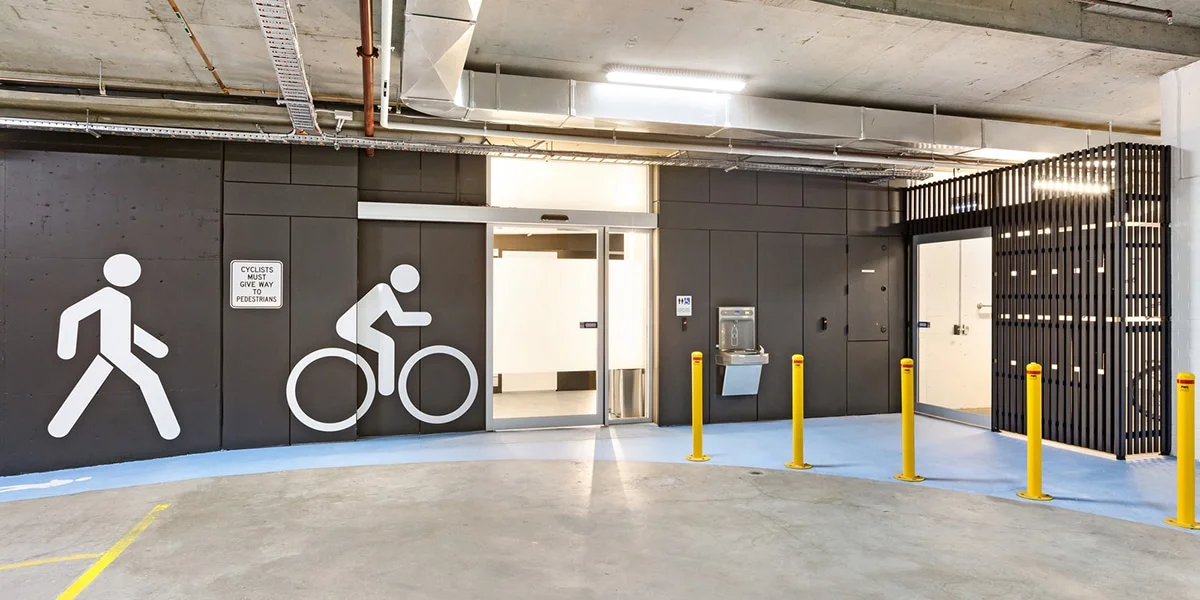
- Adopting available technologies and a more flexible workplace presented a key opportunity for emissions reductions, particularly those associated with employee transport.
- Video conferencing and screen sharing also helped reduce air travel. Air travel accounted for approximately 41 tonnes CO₂-e.
- Active Super also planned to improve its fleet vehicle program by encouraging more fuel-efficient alternatives.
Next Steps: Carbon Offsets and SDGs
Offsetting with certified carbon credit projects followed the company's Emissions Management Plan (EMP). For Climate Active-approved offsets, Active Super chose projects that also aligned with the United Nations Sustainable Development Goals (UN SDGs). This United Nations initiative provided a blueprint for organisations to address a range of sustainability outcomes, including environmental outcomes.
Offsetting Projects
- Rimba Raya Biodiversity Reserve, Borneo, Indonesia, a project that addressed all 17 UN SDGs.
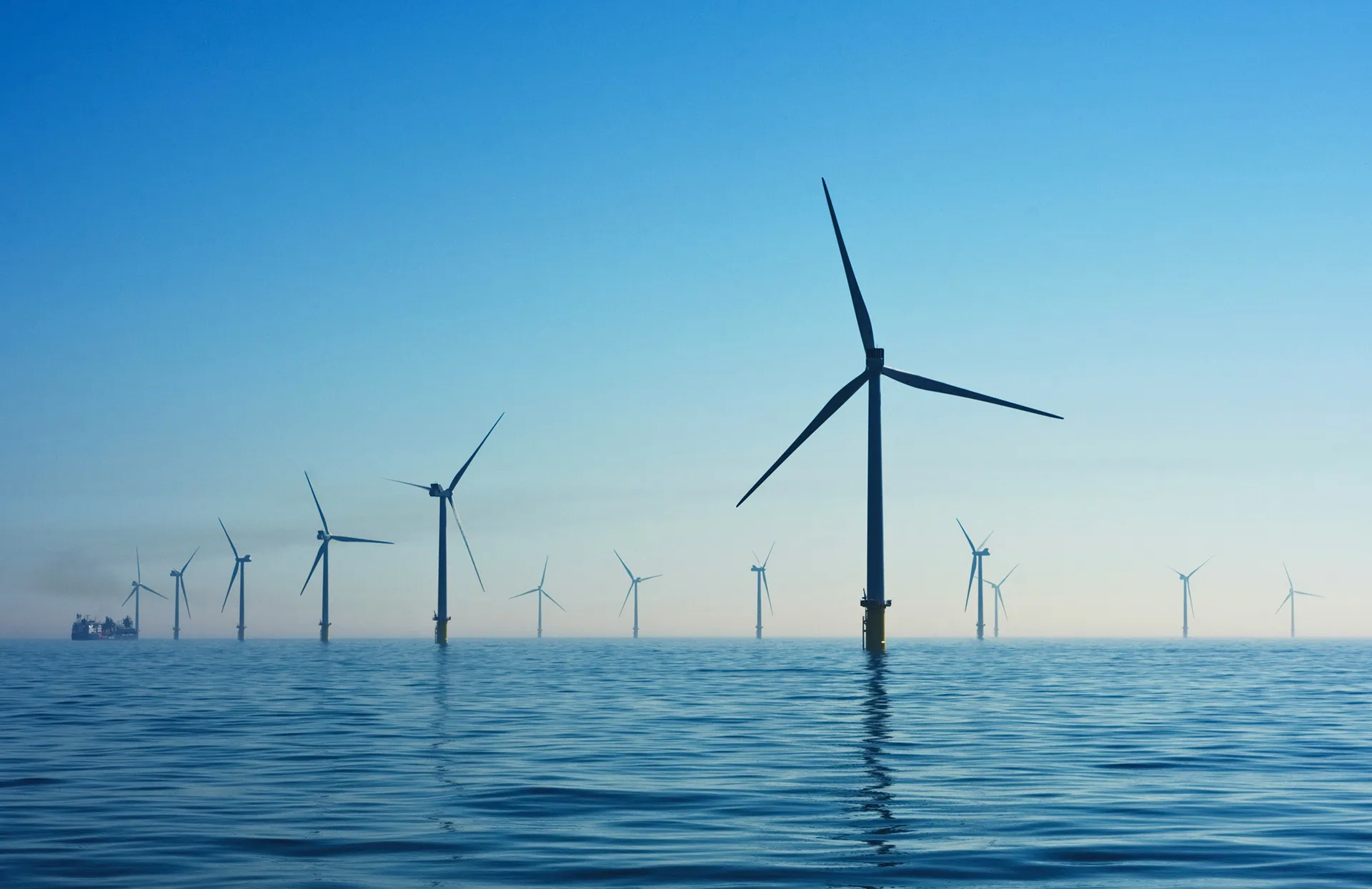
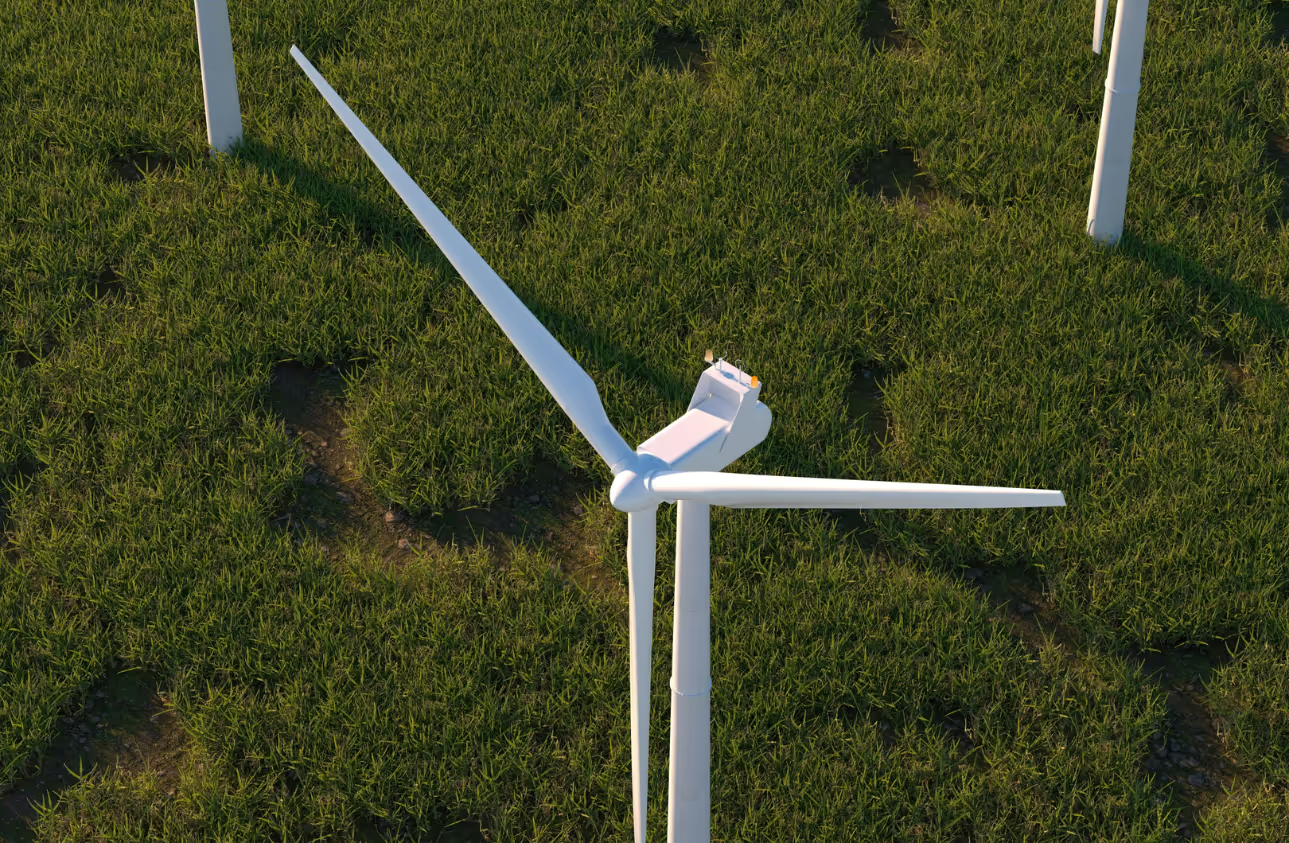
- Bundled Wind Power in Rajasthan, India, a project that addressed several UN SDGs, including health and sanitation.
Active Super's Contribution to the SDGs
A 2020 ESG Responsible Investment Review indicated that, within the company's private equity portfolio, the top three impacts of Active Super's initiatives (via project mapping) aligned with three UN SDGs:
- UN SDG 3: Good Health and Well-being
- UN SDG 8: Decent Work and Economic Growth
- UN SDG 12: Responsible Consumption and Production
NSW-Based Reforestation Initiative
Active Super also wanted to give back to the environment locally through reforestation. As well as investing in certified offsets, the company invested in a Greenfleet initiative supporting biodiversity and climate change mitigation.
Company Culture and Staff Loyalty
Staff loyalty was an important outcome of Climate Active certification. It confirmed that the company had established a path forward in an increasingly carbon-constrained economy and was committed to leading rather than falling behind. Investing in emissions reduction strategies and meaningful offsetting projects embedded a culture of doing good and being accountable, fostering engagement and building staff loyalty.
Request a call back
We welcome your enquiries about sustainability and carbon management.
Follow us on LinkedIn





















.jpg)










Industry Expertise, Shaped by Real-World Experience